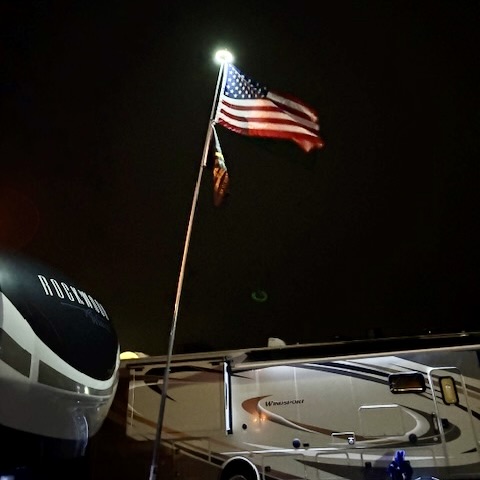
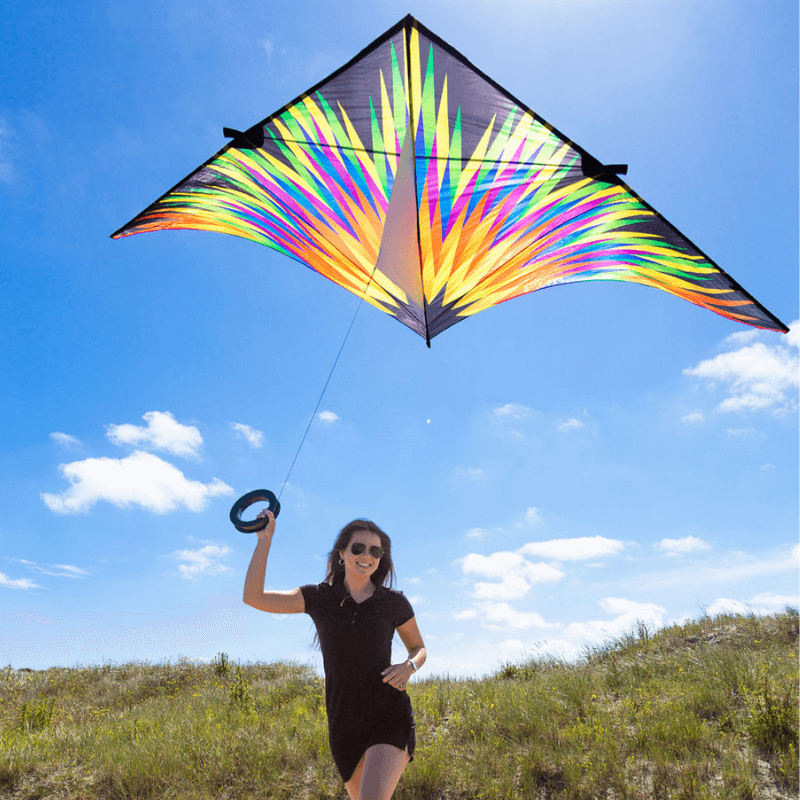
It’s a perfect camping day. A steady breeze whispers through the pines, and a vast, open field sits just beyond your RV site. This is an ideal moment for kite flying at campgrounds. However, this fun activity requires a few safety checks to keep it enjoyable. Kite flying is one of the purest forms of outdoor fun, but RV parks and campgrounds present unique challenges.
With neighbors, vehicles, and trees, a little planning is essential. You want to ensure your fun doesn’t turn into a frustrating or dangerous situation. As RVers who love this hobby, we’ve learned the dos and don’ts. Therefore, this guide will provide you with simple, practical safety tips for successful kite flying at campgrounds. By being mindful of safety, you can truly be Present in the moment and enjoy the simple joy of watching your kite soar.
Pre-Flight Checks for Kite Flying at Campgrounds
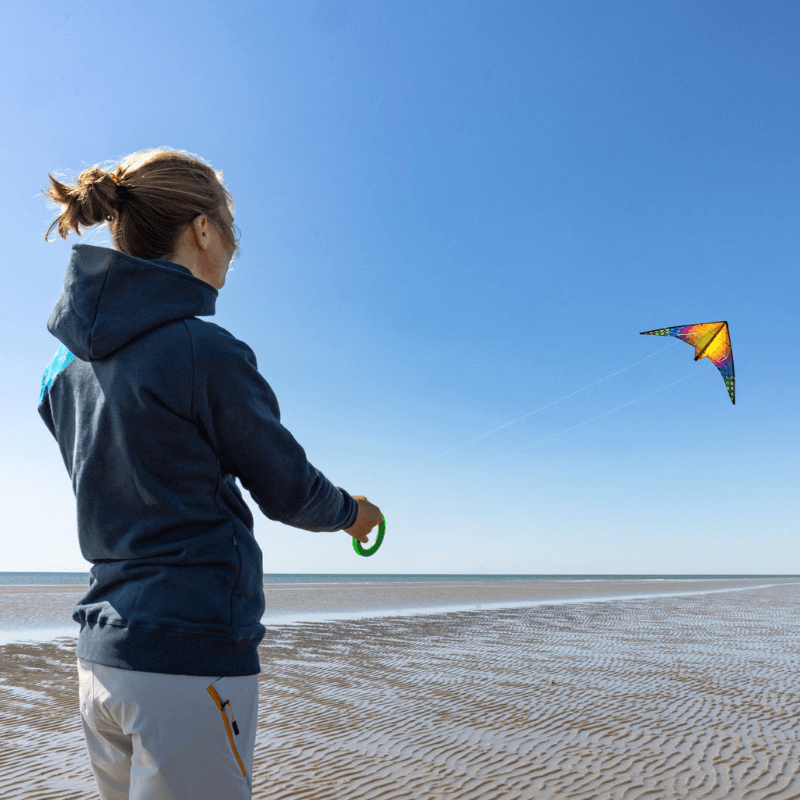
Before you even unwind your kite line, take five minutes to assess your surroundings. A quick site check is the most important step for safe kite flying at campgrounds.
- 1. Check the Local Rules: First, be a good guest. Some private RV parks or a state park may have specific rules about where you can fly kites. A quick check of the campground map or a chat with the camp host will ensure you’re in the clear.
- 2. Scan the Skies for Obstructions: Next, look up and around for the biggest dangers: power lines and trees. Never fly a kite anywhere near overhead wires. The risk of electrical shock is severe. Similarly, tall trees are notorious kite-eaters, and a rescue mission is no fun for anyone.
- 3. Assess Your Ground Space: Finally, find a large, open area like an overflow field or a day-use area. Ensure you are a respectful distance away from other campsites and RVs. You’ll need plenty of room to launch, fly, and land without disturbing your neighbors.
Weather Wise: Conditions for Flying Kites at Campgrounds
The weather is your best friend or your biggest enemy. For that reason, understanding the conditions is key to a safe and enjoyable experience.
- Know Your Wind Window: Kites are designed to fly within a specific wind range. Too little wind and you’ll struggle; too much and the kite can become dangerously powerful. A simple weather app can give you the current wind speed. For instance, most family-friendly kites fly best in winds between 5 and 20 mph.
- Never Fly in Stormy Weather: This cannot be overstated. A kite and its wet line are excellent conductors of electricity. If you see dark clouds approaching or hear thunder, pack up your kite immediately. Indeed, the old saying is the best advice: “When thunder roars, go indoors.”
Safe Flying Practices for a Smooth Afternoon
Once you’ve checked your site and the weather, it’s time to fly! Keep these simple practices in mind for a fun and incident-free afternoon of kite flying at campgrounds.
- Keep a Safe Distance: Always maintain a buffer zone between your flying area and other people, pets, and roads. A downed kite, for example, can be a sudden distraction for drivers.
- Protect Yourself: Wear sunglasses to protect your eyes from the bright sky. On a sunny day, sunscreen is also a must. For larger kites that pull hard, a pair of simple gloves can prevent line burn on your hands.
- The Power Line Rule (It’s Worth Repeating): If your kite ever does get tangled in a power line, leave it. Do not touch the line or the kite. Instead, call the local power company for assistance. It’s better to lose a kite than to risk your life.
Being a Good Neighbor While Flying Kites at Campgrounds
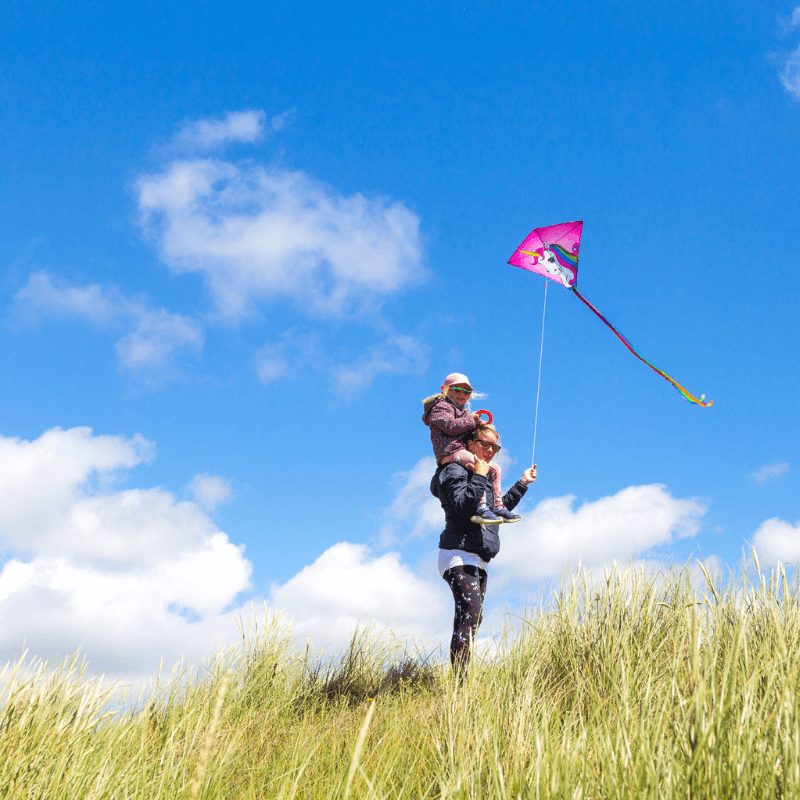
Safe kite flying is also about being courteous to the community around you.
- Respect Campsite Boundaries: If your kite comes down, retrieve it by walking on designated paths. Avoid cutting through other people’s campsites to get to it.
- Pack Up Securely: When you’re finished, wind your line up properly on its winder. A loose kite line can become a serious tripping hazard for people walking around the campground, especially after dark.
Fly with Confidence on Your Next Adventure
Kite flying at campgrounds is a wonderfully rewarding activity that creates lasting memories. By following these simple safety tips, you can ensure that every flight is a joyful experience for you, your family, and your fellow campers. Ultimately, a little bit of awareness is all it takes to unlock one of the best screen-free activities the RV lifestyle has to offer.