The Ultimate Guide to the Best Telescoping Antenna Mast for Portable Ham Radio
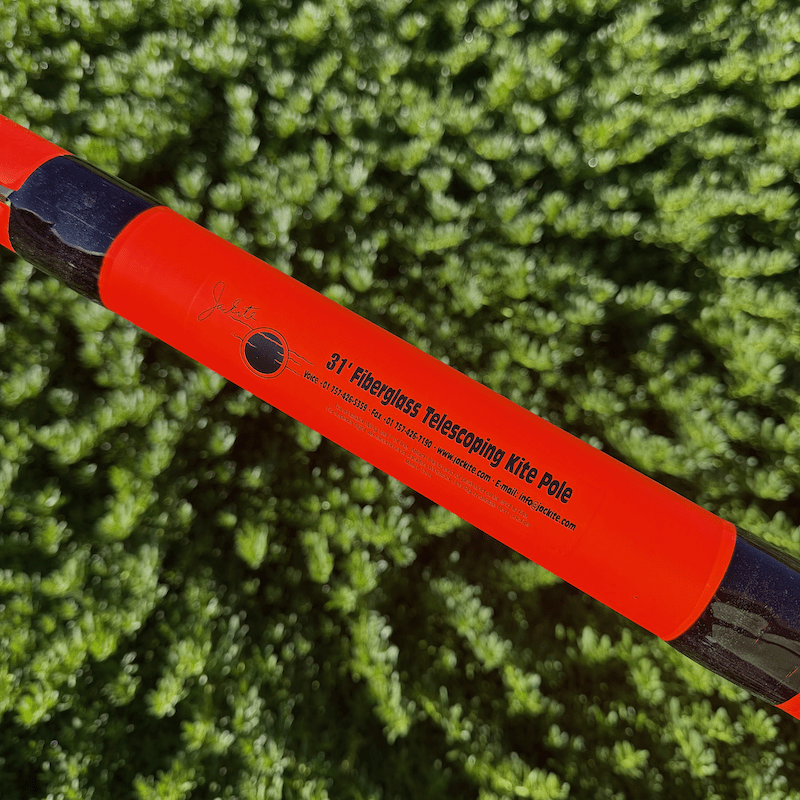
The most effective telescoping antenna mast for portable Ham radio operations is a thick-tip fiberglass pole, such as a 31-foot Jackite. Unlike metal or expensive carbon fiber, fiberglass does not impede RF signal propagation, and its flexible, wind-resistant design makes it the perfect, economical choice for hoisting wire dipoles and vertical antennas off-grid.
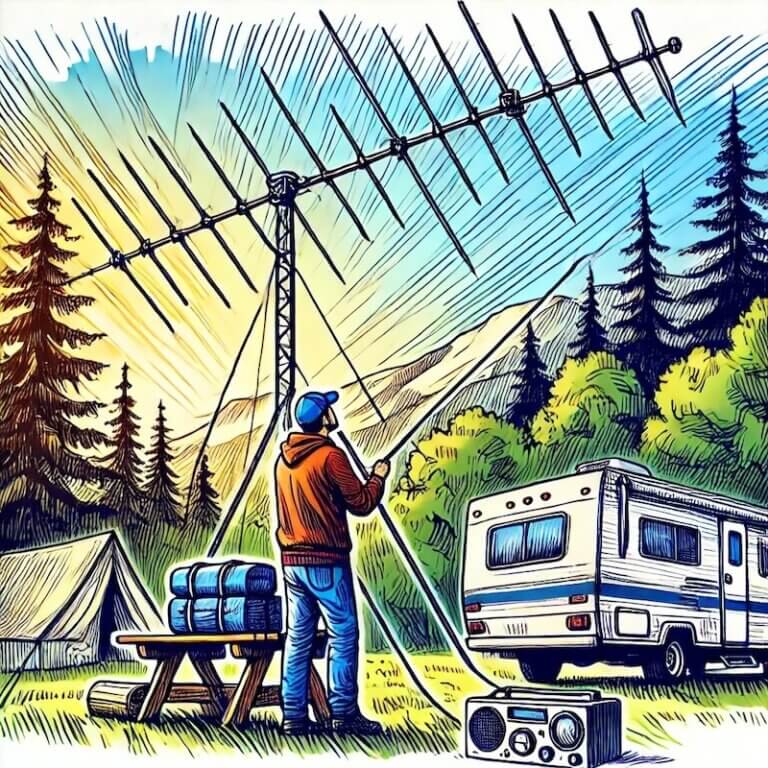
In our three decades on the road, we have seen portable Ham radio setups evolve drastically. Whether we are hanging out at Quartzfest or operating from a remote boondocking spot, we know how vital a reliable rig is. At Hitched4fun, we filter every piece of gear through the Memory Triangle™. For the amateur radio enthusiast, a solid setup directly fuels Connection—allowing you to make QSOs across the globe—while providing the Presence to simply enjoy the hobby without wrestling with heavy, over-complicated hardware.
Built by RVers for RVers, we understand that out on the road, gear needs to be resilient. We have watched standard aluminum masts bend in desert gusts and expensive carbon fiber poles snap. If you are a Ham who loves taking your station portable, here is exactly why you need to transition to a modern, maintenance-free fiberglass mast.
Why a Fiberglass Antenna Mast is the Smart Ham’s Choice
When Hams hit the road for POTA (Parks on the Air), SOTA (Summits on the Air), or just a weekend getaway, they need equipment that deploys quickly and performs flawlessly. While massive steel towers like those from Rohn have their place at a home QTH, they are a nightmare for RV travel.
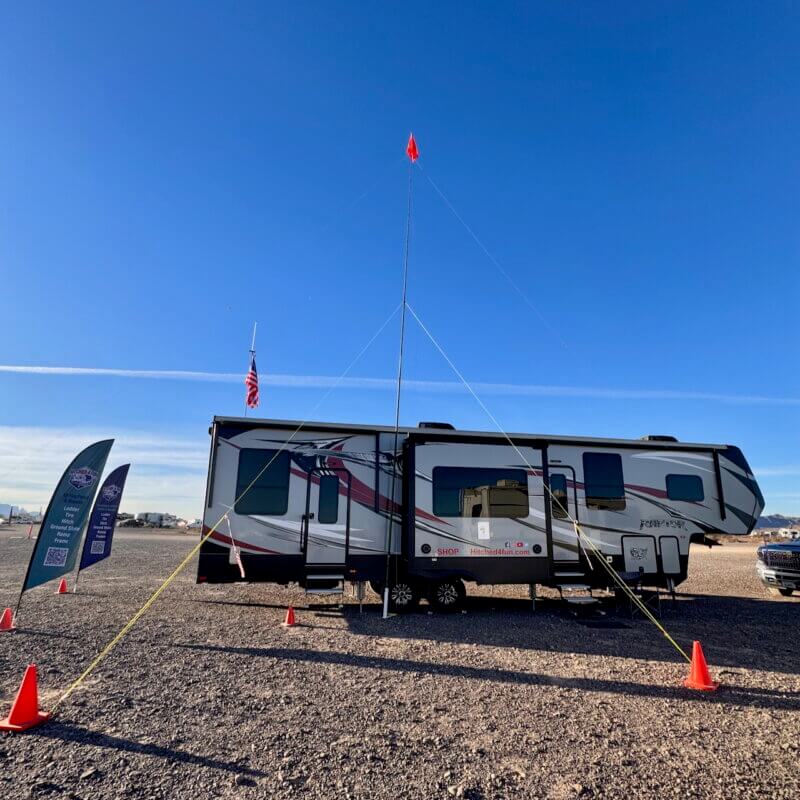
The Modernization Angle: We believe in upgrading from heavy, rusting metals and brittle materials to lightweight, structural fiberglass. A 31-foot Jackite Thick-Tip Fiberglass Antenna Pole represents the pinnacle of portable mast evolution. It collapses down for easy RV storage but extends high enough to get your wire antennas up where they belong.
-
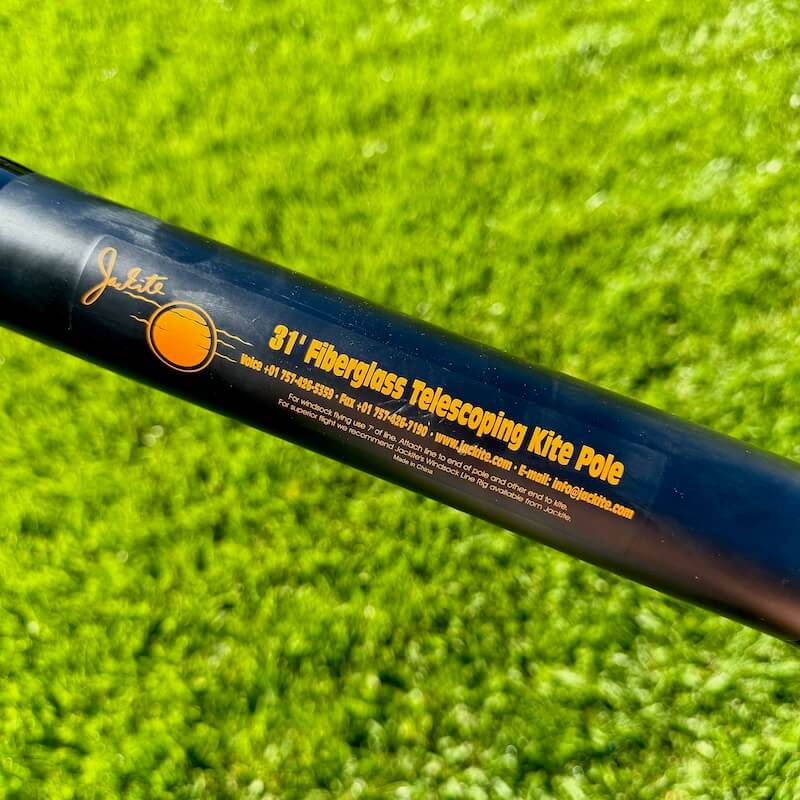
Antenna Mast (31 ft.) by Jackite
$112.95 -
Complete Jackite Antenna Mast and Mount Kit – Black, Green, or Orange
Price range: $181.80 through $237.75 -
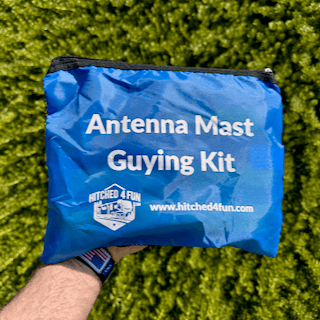
Antenna Mast Guying Kit for Jackite 31-ft – Ham Ready
Original price was: $68.60.$45.95Current price is: $45.95.
The Ultimate Pro-Tips for Your Ham Radio RV Pole
Amateur radio operators are notorious for repurposing brilliant ideas into the hobby. We didn’t invent the fiberglass telescoping pole, but we absolutely perfected its use for RVers. Here are the insider secrets most competitors won’t tell you:
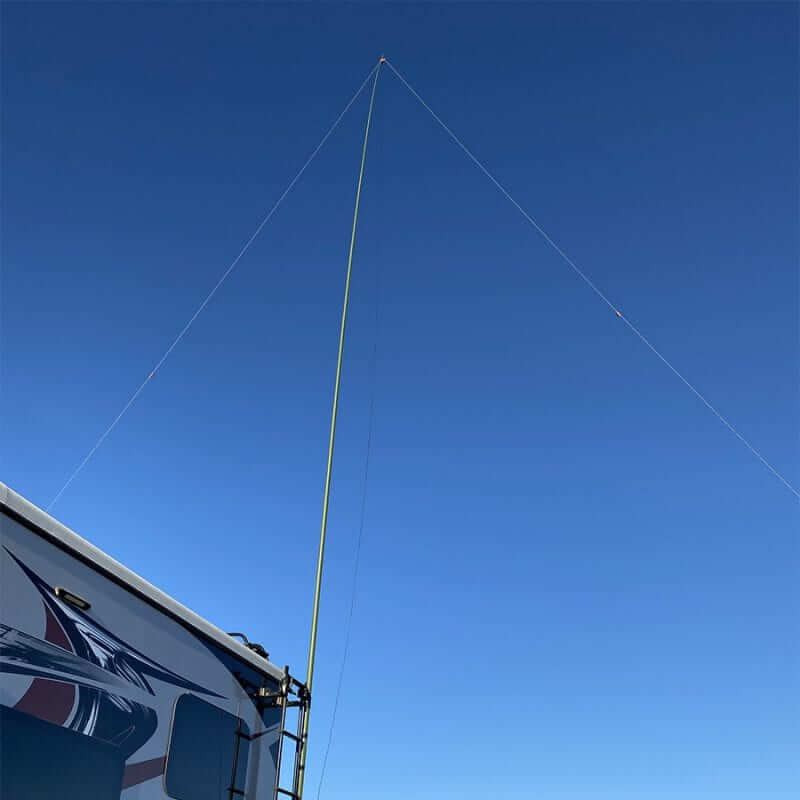
- The Wind-Tested Beach Secret: Jackite poles were originally purposed for flying windsocks and heavy bird kites at the beach. What does that mean for you? They are exceptionally well-engineered to handle intense, sustained winds. When desert gusts roll in, this pole will bow and flex safely instead of snapping like rigid alternatives.
- The RF Propagation Advantage: Never use a metal pole for a wire vertical or parallel dipole if you can avoid it, as it will couple with your antenna and ruin your SWR. Fiberglass is RF-transparent, meaning it will not impede your signal propagation. Your RF energy goes exactly where you want it to—out into the ether.
- The Carbon Fiber Cost-Hack: Some high-end DX brands push expensive carbon fiber poles. Here is the reality: carbon fiber is conductive (which can mess with your tuning) and incredibly pricey. For the price of just one carbon fiber mast, you can buy several Jackites. They are the most economical, high-performance option on the market.
- The Proven Track Record: This isn’t a prototype. The Jackite mast has been around for years, actively proven successful in the field by thousands of off-grid Hams.
How to Set Up Your Telescoping Antenna Mast at the Campsite
Deploying your fiberglass antenna mast is incredibly fast, leaving you more time to get on the air. Follow these simple steps to safely hoist your wire dipole or vertical antenna.
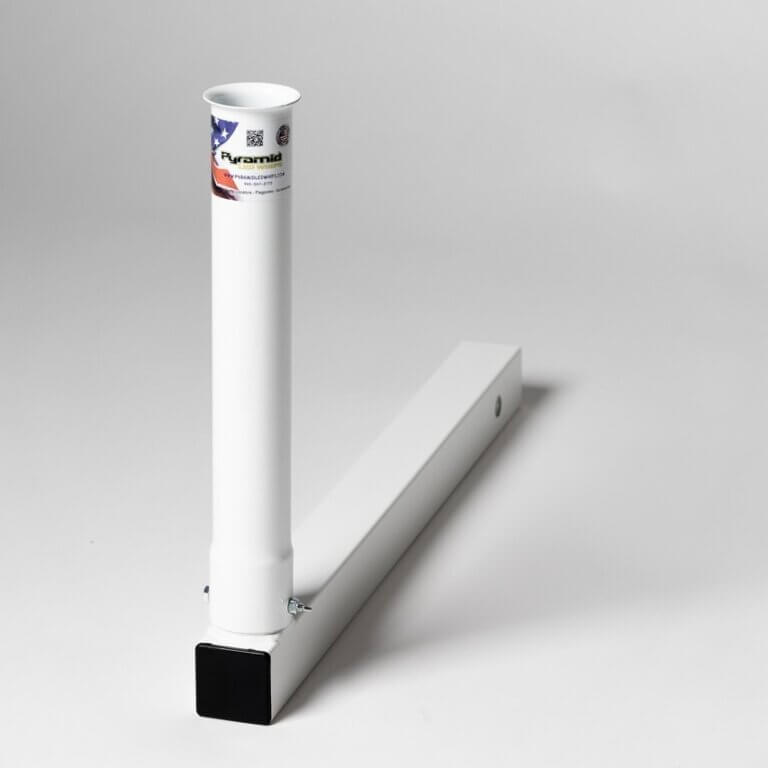
- Select Your Mounting Point: Choose a sturdy mounting location on your RV, such as a secure ladder mount or a hitch-mounted mast holder.
- Attach Your Antenna Wire: While the pole is fully collapsed, use a soft zip-tie, bungee, or carabiner to secure the center insulator of your dipole (or the top of your vertical wire) to the thick tip of the fiberglass pole.
- Extend the Mast Sections: Working from the top down, pull each nested fiberglass section upward. Give each section a firm twist to friction-lock it securely into place.
- Secure the Base: Once fully extended, carefully lift the entire mast and slide the bottom section into your RV ladder mount or hitch receiver.
- Route and Connect Coax: Route your coaxial cable down the length of the mast (leaving a little slack to allow for the pole’s natural flex in the wind) and connect it to your portable transceiver.
$$Rich Media Suggestion: Embed a 60-second YouTube video demonstrating a single person effortlessly extending and friction-locking a 31-foot Jackite pole at a desert campsite.$$
Frequently Asked Questions About Telescopic Fiberglass Masts
No. Unlike aluminum or carbon fiber, fiberglass is completely non-conductive and RF-transparent, meaning it will not impede signal propagation or detune your antenna.
Exceptionally well. Because these poles were originally designed for beach kites, they naturally bow and flex in high winds rather than bending permanently or snapping.
Yes. Standard telescoping poles have very thin, fragile top sections. Our thick-tip design provides the necessary structural rigidity to support the weight of baluns, center insulators, and copper wire.
While highly durable, this is primarily designed for portable, temporary RV and off-grid setups. Constant, year-round UV exposure and permanent tension are not recommended.
Carbon fiber is expensive and slightly conductive, which can interact with your antenna elements. Fiberglass offers better RF performance at a fraction of the cost.
Real Human Support for Your Ham Operations
We know how frustrating it is to have questions about an antenna build and only get an automated chatbot in response. That is why Hitched4fun has a strict “No Bots” policy. When you need help figuring out how to mount your Jackite Thick-Tip Fiberglass Antenna Pole, you get real, expert human-to-human support from 8 AM – 5 PM PT.